Blankets and quilts offer warmth, comfort, and layering options for varied sleep environments. This category highlights materials, warmth ratings, and construction details that influence insulation, breathability, and durability. Understanding fabric blends, weave patterns, and stitching helps compare weight, absorbency, and care requirements for different seasons and room conditions.
Common materials include cotton, wool, synthetic blends, and down alternatives, each with distinct performance traits. Breathable fibers promote temperature regulation, while moisture-wicking properties help maintain dryness through the night. Finishes such as pre-washed textures and microbial-resistant treatments can affect comfort and long-term hygiene in bedding environments.
Quilts typically feature a layered construction with a decorative top, a lightweight batting, and a backing fabric, delivering a balanced warmth-to-weight ratio. Blankets may be woven, knit, or fleece-backed, influencing drape, portability, and ease of care. These variations determine suitability for layering with sheets, duvets, and comforter sets in a sleep-friendly layout.
Key features to evaluate include thread count, fabric weight (measured in GSM or ounces per square yard), and care guidance. Functional benefits such as temperature moderation, hypoallergenic options, and durability against pilling contribute to long-term usability. Understanding size compatibility with standard bed dimensions supports appropriate coverage and comfort alignment.
Included in this category are items like Free New Bedcover, listed with names, materials, and functional benefits to illustrate practical applications. Meta keywords such as bedding, pillows, sheets, duvet covers, and organic mattresses are relevant for contextual relevance, helping users locate information about complementary sleep essentials and overall bedroom comfort.
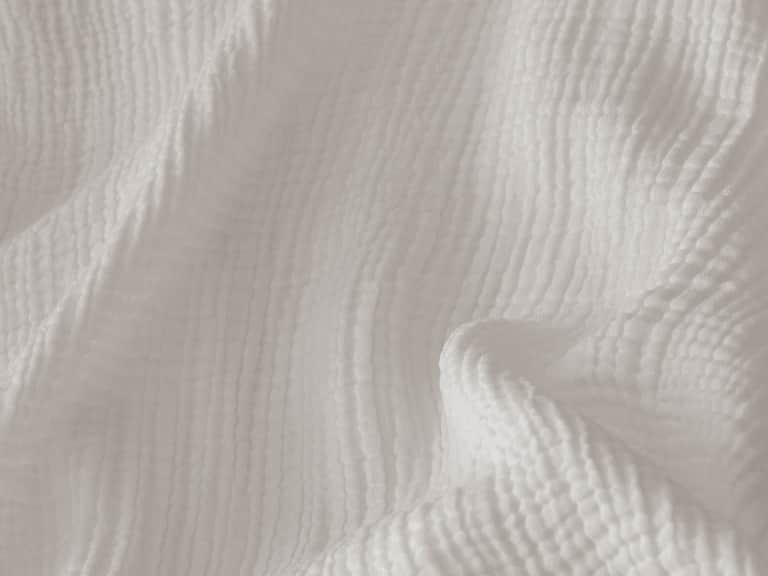 Bedding