Bedding & Sleep
Linen vs. Percale Sheets: How to Choose by Feel, Breathability, and Care
The fabric against your skin can change the mood of a bed as surely as a fresh coat of paint changes a room. Linen brings relaxed texture and a softly lived-in character; cotton percale offers a crisp, cool finish with a neat, tailored feel. Both are breathable natural-fiber options, but they behave differently night after night—and in the laundry.
Published October 12, 2026
Choosing sheets is not simply a matter of color or thread count. The right set should feel inviting when you climb into bed, suit the way you experience warmth, and fit comfortably into your routine for washing and drying. Linen and percale are often considered by people looking for breathable bedding, yet their textures, weights, and aging process are distinct.
Linen is made from flax fibers. Its characteristic surface is gently irregular, with a tactile texture that looks relaxed rather than pressed. Cotton percale is defined by a plain, one-over-one-under weave. That construction creates a smooth, crisp hand and a matte appearance. Neither fabric is universally cooler, softer, or better: comfort depends on the particular fabric, room conditions, personal preference, and how the sheets are cared for.
Think of this as a practical guide to the difference. We’ll compare the feel of linen and percale, explain what breathability can—and cannot—tell you about temperature comfort, and cover the care details that help sheets last. The aim is not to crown a winner, but to help you choose fabric that feels right for your sleep and your bedroom routine.
The essential difference: textured ease or crisp simplicity?
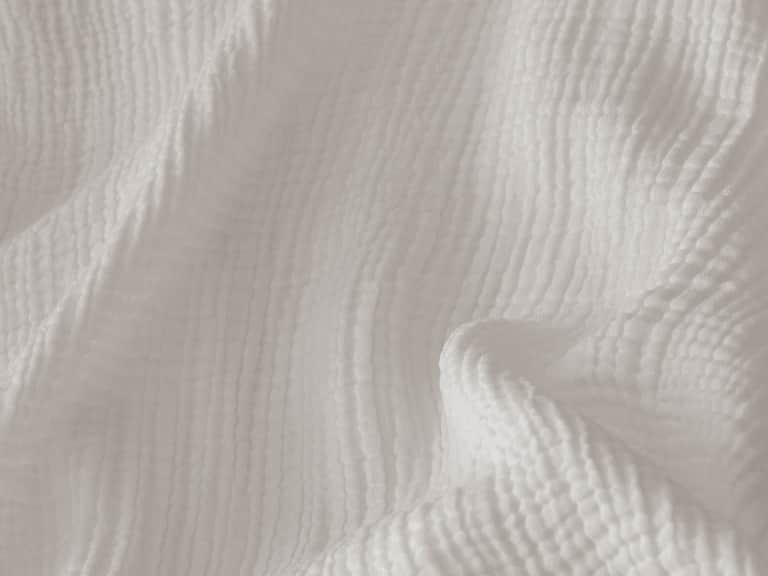
The clearest distinction is the sensation under your hand. Linen has a natural, slightly nubby texture. It may feel substantial at first, especially if you are accustomed to very smooth cotton, but it often becomes more pliable through use and washing. Its subtle irregularities are part of its appeal: linen tends to look composed without looking perfectly pressed.
Percale feels more even and crisp. Many people associate it with the fresh, cool sensation of a neatly made hotel bed. The finish is typically matte rather than glossy, and the fabric has a clean drape. New percale can feel a little firm or crisp before it softens with laundering, though the precise hand depends on the cotton, finishing, and fabric construction.
These descriptions are helpful starting points, not guarantees. Linen quality varies by fiber, yarn, weave, and finishing; percale varies too. A label alone cannot tell you how a particular sheet set will feel. If possible, handle a fabric sample, or consider your preferences in clothing and towels: do you reach for relaxed, textured natural fabrics, or smooth, cool cotton with a crisp finish?
- Choose linen if: you enjoy texture, an informal look, and a fabric that softens and settles with use.
- Choose percale if: you prefer a smooth, crisp surface and a bed that feels light and freshly made.
- Consider both if: you want a breathable natural-fiber bed but are still discovering which hand feel you prefer.
Breathability and temperature comfort
“Cooling sheets” is an appealing promise, but a sheet cannot control every factor that shapes sleep comfort. Room temperature, humidity, mattress and duvet materials, sleepwear, and individual differences all matter. Fabric can still make a meaningful contribution: the way it allows air to circulate and moisture to move away from the skin affects how the bed feels over the course of a night.
Linen is valued for airflow and moisture management. Flax fibers and the fabric’s construction can help create a breathable, less clingy sensation. Linen is often chosen by people who feel warm at night or want sheets that do not feel close and slick against the body. Its hand can feel weightier than percale, but weight alone does not determine warmth; the weave and the rest of the bedding system matter too.
Percale is also a popular choice for warm sleepers. Its plain weave generally produces a lightweight, airy fabric with a crisp surface. Because it tends not to feel as drapey as sateen, some sleepers find it particularly refreshing. A 100% cotton percale set can be a straightforward option when you want a clean, breathable feel and an uncomplicated bed-making routine.
For a concrete comparison, Naturepedic Organic Linen Sheets are described as breathable sheets made from certified organic flax, with moisture-wicking properties and a 185 gsm fabric weight. The set includes a flat sheet, fitted sheet, and two pillowcases; the fitted sheet has a 15-inch pocket. For a crisper cotton option, Sleep and Beyond’s 100% Organic Cotton Percale Sheet Set uses a 270-thread-count percale weave and is positioned as lightweight and breathable. Its fitted sheets are designed with pockets up to 18 inches, depending on size.
Specifications offer useful context, but they are not direct comfort rankings. A higher thread count does not automatically mean a better or cooler sheet, and fabric weight is not interchangeable with weave or fiber quality. If you sleep warm, consider the entire bed: a lighter duvet, breathable sleepwear, and a comfortable room temperature may matter just as much as the sheet choice.
How the fabrics look on the bed
Linen’s visual character is softly relaxed. Its natural creasing can lend a room a sense of ease, particularly when paired with simple bedding and restrained colors. It does not need to be pressed to look intentional. That quality suits bedrooms where the goal is calm rather than immaculate formality, and where a little texture adds depth to a quiet palette.
Percale creates a more structured impression. Its crispness works beautifully with clean lines, layered pillowcases, and a neatly tucked duvet. The finish is understated: the fabric does not rely on shine to feel polished. If your bedroom style is minimal, tailored, or hotel-inspired, percale can reinforce that order without demanding decorative flourishes.
Color can shift the effect. Pale neutrals and soft blues emphasize the airy character of both fabrics; deeper colors can make linen’s texture more noticeable and give percale a graphic, composed look. Rather than choosing a fabric only to match a room, consider how you want the bed to feel when you enter it: casual and tactile, or crisp and quietly refined.
Durability and the way sheets age
Both linen and cotton can be long-lasting when the fabric is well made and cared for according to its instructions. The lifespan of a sheet set depends on more than the fiber name. Repeated high-heat drying, harsh treatment, overloading a washer, and friction can all contribute to wear. Rotating between two or more sets can also reduce the frequency of use for each one.
Linen is known for strength and tends to become softer and more supple through laundering. Its lived-in appearance is part of the aesthetic, so ordinary creasing is not necessarily a flaw. Over time, the fabric may feel less crisp and more relaxed. If you value bedding that looks natural rather than freshly pressed, that evolution can be a pleasure rather than a compromise.
Percale is valued for a crisp feel that can soften over repeated washing while retaining its characteristic plain-weave hand. It may wrinkle, as natural cotton often does, but it can still look tidy with careful drying and prompt folding or bed-making. If a smooth, sharply made bed is important to you, you may prefer to remove percale from the dryer before it is fully dried and finish it on the bed or with a warm iron, following the care label.
Neither fabric should be judged solely by how it feels straight out of the package. Some sheets are prewashed or otherwise finished to feel softer at first; others may need several wash cycles to reach their preferred hand. When comparing sets, look for reliable details such as fiber content, weave, fit, construction, and clear laundering guidance—not a single number presented as a shortcut to quality.
Care: a simple routine that protects the fabric
Good bedding care does not need to become an elaborate ritual. The most important step is to follow the manufacturer’s instructions, since dyes, finishes, construction, and sizing can affect the recommended cycle. Wash sheets regularly, but avoid crowding the machine: fabric needs room to move through water and rinse cleanly.
For both linen and cotton percale, a gentle or normal cycle with a suitable detergent is often sufficient, provided it aligns with the care label. Avoid using more detergent than necessary, since residue can make fabric feel less pleasant. Bleach and fabric softener may affect fibers or finishes; use them only if the instructions permit. Washing similar colors together can help reduce color transfer, especially with new or deeply colored sheets.
Heat is worth particular attention. Excessive heat can stress fibers and may contribute to shrinkage or premature wear. Follow the label’s drying guidance, and remove sheets promptly to limit deep creases. If line drying is practical, it can reduce reliance on a dryer; if using a machine, a low or moderate setting may be appropriate when permitted. For linen, a little natural rumpling is part of its character. For percale, timely folding or making the bed can help preserve a cleaner finish.
Before the first night, wash new sheets if the manufacturer recommends it. This can remove packaging residues and help the fabric settle into its intended feel. Check fitted-sheet dimensions against mattress depth, including any topper or protector; a well-fitting sheet is less likely to pull loose and more comfortable to sleep on.
A practical comparison at a glance
| Consideration | Linen | Cotton percale |
|---|---|---|
| Feel | Textured, relaxed, and often more pliable with use | Smooth, crisp, and light with a matte finish |
| Breathability | Airy feel with a reputation for moisture management | Open, lightweight feel commonly favored by warm sleepers |
| Appearance | Natural creasing and an easy, lived-in look | Neat, tailored, and freshly made in appearance |
| Getting softer | Often softens and becomes more supple with washing | Typically softens while retaining its crisp character |
| Best fit for | Sleepers who appreciate texture and an informal finish | Sleepers who like a cool, clean, crisp surface |
| Care focus | Follow the label; expect some natural rumpling | Follow the label; remove promptly to minimize creases |
How to make the decision
Start with sensation, not trend. If you have disliked rough or textured fabrics in the past, linen’s characteristic hand may not be your ideal first choice. If you find smooth sheets too slick or prefer a bed that looks relaxed, percale’s crispness may feel overly formal. Personal comfort is more useful than a universal claim about which fabric is best.
Next, think about your nights. Do you tend to feel warm, wake up because bedding feels clammy, or prefer a light layer against the skin? Both fabrics can be appealing in a breathable sleep setup, but a particular weave, room climate, duvet, and mattress can change the result. If possible, try a pillowcase or fabric swatch before investing in a full set.
Then consider upkeep. Linen is forgiving if you embrace its natural creases and do not expect a pressed appearance. Percale can suit people who enjoy a bed that looks crisp, though it may need prompt attention after washing to avoid pronounced wrinkles. Neither should require complicated care, but a fabric that fits your habits is more likely to remain a pleasure to use.
Finally, check the details that affect everyday comfort: fitted-sheet pocket depth, set contents, fiber certification if relevant to your priorities, country of manufacture, and clear washing instructions. Terms such as “organic” or “natural” should be understood through the specific product’s stated certifications and composition. Labels can help clarify sourcing and processing, but they do not replace choosing a texture you genuinely enjoy.
Could you mix linen and percale?
There is no rule that every layer has to match. A linen flat sheet with a percale fitted sheet, or percale pillowcases alongside a linen duvet cover, can be a practical way to combine textures. This approach is especially useful if you are curious about linen but not ready to make the entire bed from it. Keep colors within a considered palette, and let the difference in texture feel deliberate rather than accidental.
Mixing can also help you discover what matters most. If the pillowcase is where you notice fabric feel most, choose that layer carefully. If a smooth fitted sheet makes it easier to settle, prioritize it there. The best bed is not a showroom formula; it is a collection of materials that work together for the person sleeping in it.
The verdict: choose the feeling you want to return to
Linen and percale answer different preferences. Linen brings texture, a relaxed drape, and an appealingly unstudied finish. Cotton percale offers crispness, a light hand, and a more tailored look. Both can be breathable, durable, and comfortable when the fabric suits your needs and receives sensible care.
If you are drawn to natural texture and do not mind a little rumpling, linen may feel like the more intuitive choice. If you want a cool, crisp surface and a bed that looks composed, percale is a strong place to begin. Consider the room, your sleep habits, the weight of your other bedding, and how much time you want to spend managing laundry. Then choose the fabric that makes bedtime feel more inviting—not the one with the most persuasive shorthand.
Comfort is personal and can take a few nights to assess. Give a new set time to settle, follow its care instructions, and notice how it feels across changing temperatures and routines. The right sheets do not need to transform sleep on their own; they simply make the everyday ritual of getting into bed feel a little more considered.
Frequently asked questions
Are linen sheets cooler than percale?
Not in every bedroom or for every sleeper. Both can feel breathable. Linen is often appreciated for airflow and moisture management, while percale is known for a lightweight, crisp sensation. The duvet, room temperature, humidity, and personal preference also affect warmth.
Do linen sheets get softer?
Linen commonly becomes more supple with repeated use and washing. Follow the care label, since harsh detergents and excessive heat can shorten the life of any bedding fabric.
Does a higher thread count make percale better?
Thread count alone does not determine comfort or quality. Fiber, yarn, weave, finishing, construction, and care all influence how sheets feel and perform. Consider the fabric’s hand and the manufacturer’s specifications together.
Which sheets wrinkle less?
Both linen and cotton can wrinkle. Linen’s rumpled appearance is often part of its relaxed character, while percale may appeal to those who prefer a neater finish. Removing sheets promptly from the dryer and making the bed soon after can reduce pronounced creases.