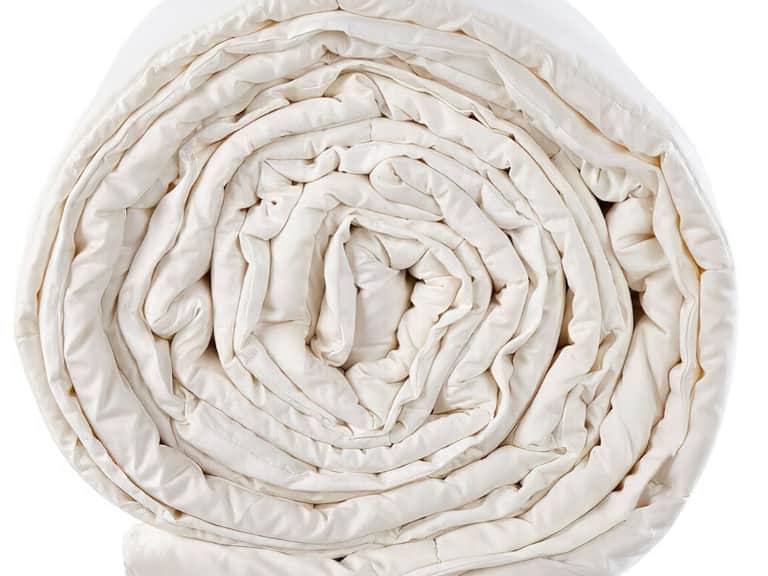
Wool comforters are crafted to regulate temperature naturally, leveraging the breathability and moisture-wicking properties of high-quality wool. This material helps maintain comfort across seasons by retaining warmth when cold and releasing heat when warmer, reducing night sweats. Understanding weave, fiber origin, and fill power informs suitability for different sleeping environments and climates.
Key features to evaluate include fiber length, carding method, and insulation level. Medium to high fill weights provide consistent warmth without excessive bulk, while lightweight options suit mild climates. Wool’s natural elasticity contributes to durability, ensuring a plush, evenly distributed loft that resists compression and maintains loft over time.
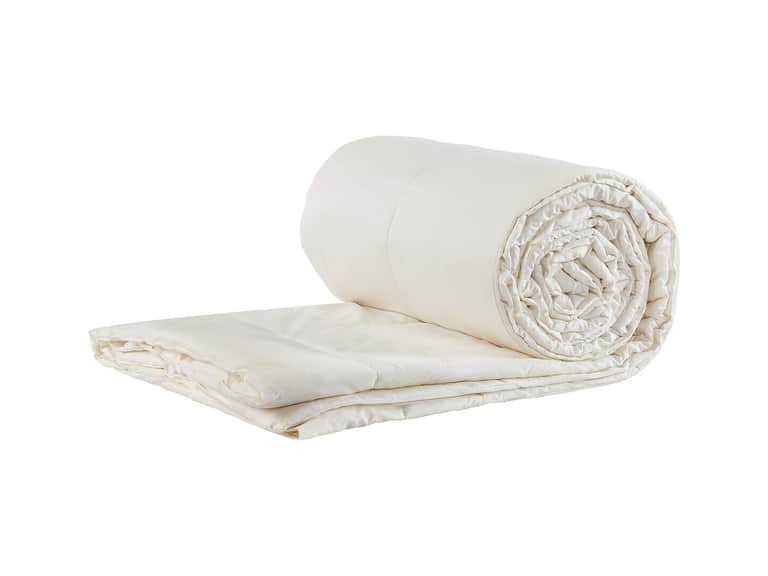
The Sleep and Beyond myComforter exemplifies versatility through blends and natural finishes that enhance hygiene and comfort. Look for features such as natural flame resistance, hypoallergenic properties, and easy-care routines. Functional benefits include reduced allergen accumulation and simplified maintenance, supporting a clean, restful bedroom environment.
When selecting a wool comforter, consider your bedding ecosystem, including sheets, duvets, and pillows, as well as organic mattress compatibility. Wool pairs well with breathable fabrics to sustain a balanced microclimate. A well-matched comforter helps minimize overheating or chilling, contributing to more consistent sleep quality across diverse seasons.
Organic, responsibly sourced wool, coupled with thoughtful construction, offers long-term value through resilience and minimal pilling. Distinguishing factors include supplier transparency, washing guidelines, and eco-friendly processing. By understanding these aspects, readers can assess suitability for daily use, climate comfort needs, and compatibility with other bedding like duvet covers and pillows.
 Bedding